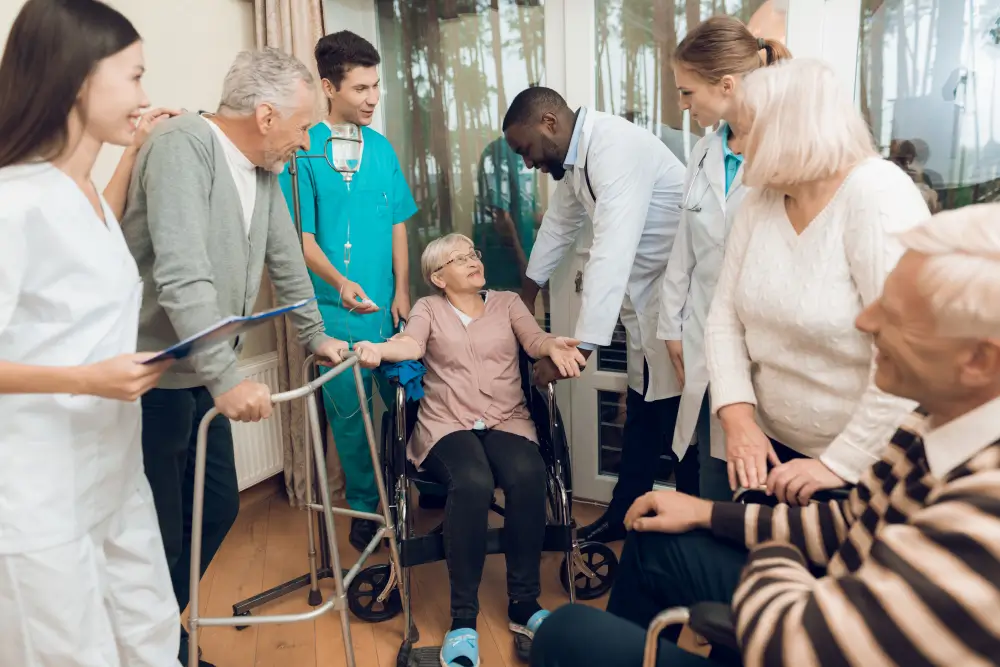
Recovering from addiction, trauma, or mental health challenges is a deeply personal journey that requires not only medical care but also mental and emotional support. Mental health rehabilitation centers for adults play a pivotal role in this recovery process by providing a structured, therapeutic environment where individuals can focus on their mental well-being. These centers offer a holistic approach to recovery, addressing both physical and psychological needs. Mental health is an integral part of recovery, and many rehabilitation centers are dedicated to supporting patients as they work through emotional and mental struggles.
Personalized Care Plans
Every individual facing mental health challenges or addiction requires a unique approach to their recovery. Rehabilitation centers understand this and tailor their treatment plans to meet the specific needs of each patient. This personalized care often begins with a comprehensive assessment to identify the root causes of the individual’s condition, whether it be trauma, substance abuse, or other psychological factors. The goal is to create a plan that addresses the person’s emotional, psychological, and social needs.
For instance, Devine Kare Concept LLC emphasizes the importance of individualized care, recognizing that no two recovery journeys are alike. This personalized approach ensures that individuals receive targeted treatments for their mental health needs, such as anxiety, depression, or PTSD. Treatment plans may include medication management, therapy, and lifestyle interventions designed to help individuals regain stability and heal mentally.
Therapeutic Services
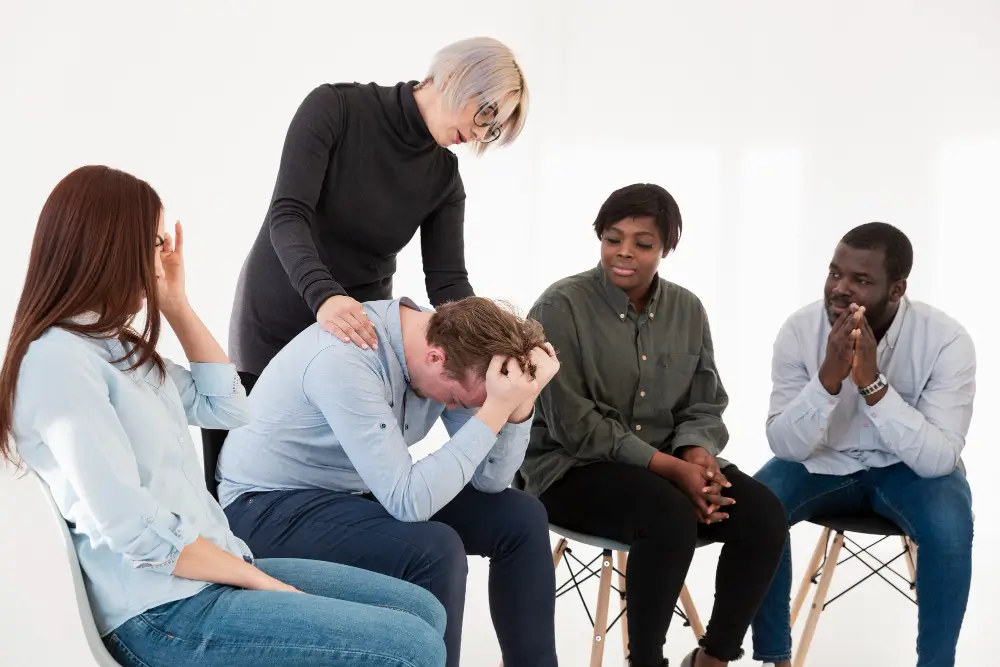
A crucial aspect of mental health rehabilitation centers for adults is the range of therapeutic services they offer. These centers provide a variety of therapeutic modalities to address mental health issues that may have contributed to substance abuse or other challenges. Common therapeutic services include:
Individual Therapy
One-on-one therapy is essential in helping individuals explore their emotions, work through their struggles, and develop coping mechanisms. Therapists utilize various approaches, such as Cognitive Behavioral Therapy (CBT) to help patients recognize and change negative thought patterns or Dialectical Behavior Therapy (DBT) for emotional regulation and coping skills.
Group Therapy
Group therapy fosters a sense of community and support, where participants share their experiences, offer advice, and motivate one another. This therapy helps individuals feel less isolated and more understood in their recovery journey.
Medication Management
Many individuals in recovery may require medication to manage their mental health conditions. Rehabilitation centers have professionals who monitor the use of psychiatric medications to ensure their appropriateness and effectiveness in stabilizing mood and behavior.
Devine Kare Concept LLC provides these therapeutic services, emphasizing the integration of counseling, behavioral therapy, and medication management to promote mental wellness during recovery. These services address not only the symptoms of addiction but also any underlying mental health conditions.
Community Integration
Rehabilitation is not just about addressing the individual’s immediate needs but also preparing them for life after rehab. The road to mental health recovery involves reintegration into society, and mental health group homes for adults play an essential role in helping individuals navigate this process. These programs assist patients in building life skills, finding employment, and reestablishing social connections. Successful recovery often hinges on an individual’s ability to adapt to the outside world and form healthy relationships.
Programs like those offered by Devine Kare Concept LLC focus on community integration as part of their holistic approach. Residents are provided with access to vocational training, job placement services, and educational programs to encourage independence. By fostering personal growth and social connections, rehabilitation centers such as Devine Kare Concept LLC help individuals transition successfully back into society.
24/7 Supervision and Support
Rehabilitation centers offer a structured environment with 24/7 supervision, ensuring that individuals are supported around the clock. This constant supervision provides security and stability, helping individuals adhere to their treatment plans and stay on track during their recovery. The presence of trained professionals ensures that patients feel safe and supported, which is especially critical in the early stages of recovery when emotions are intense, and the temptation to relapse is high.
The 24/7 support offered by residential mental health care ensures that individuals always have someone to turn to, whether they need emotional support or assistance with difficult situations. This continuous care helps patients stay focused on their recovery goals and ensures they do not face their struggles alone.
Focus on Independence and Personal Growth
While rehabilitation centers provide intensive care, they also aim to foster independence. Recovery is not about becoming reliant on the rehab facility but rather about gaining the skills and confidence needed to live independently. Residential mental health care encourages patients to take responsibility for their recovery by teaching essential life skills such as time management, budgeting, and decision-making.
At Devine Kare Concept LLC, the focus is not only on managing addiction or mental health issues but also on empowering individuals to take charge of their lives. Through life skills training, individuals learn how to manage daily responsibilities and make informed decisions, which are vital for achieving long-term mental wellness.
Holistic Wellness Programs
The recovery process is not just about addressing the mind and body separately but about promoting overall well-being. Many rehabilitation centers incorporate holistic approaches that enhance mental, physical, and emotional health. These may include practices like yoga, meditation, art therapy, and nutritional counseling, all of which help individuals manage stress, develop healthy coping mechanisms, and improve overall mental health.
Holistic wellness programs are particularly beneficial in treating the underlying causes of mental health issues, such as stress, trauma, and emotional instability. By taking a well-rounded approach, mental health rehabilitation centers for adults help patients develop healthier lifestyles that support long-term recovery.
Aftercare and Alumni Support
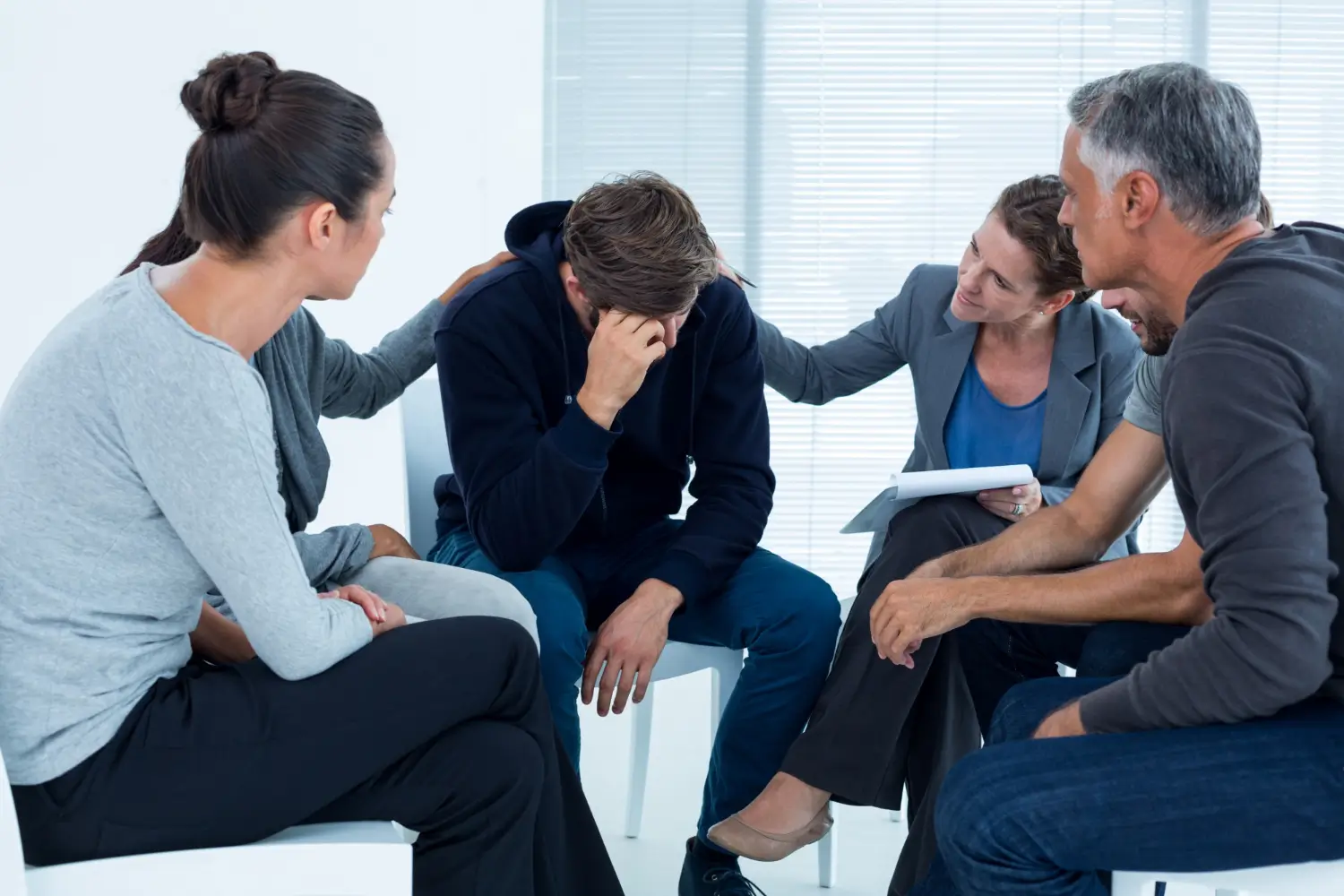
Recovery does not end when an individual leaves the rehab facility. Aftercare services are a vital part of the recovery process, providing continued support after reintegration into society. Many rehabilitation centers offer aftercare programs such as outpatient therapy, support groups, and alumni networks to help individuals stay on track and maintain their progress.
Devine Kare Concept LLC recognizes the importance of ongoing support and continues to engage individuals after they leave the facility. Alumni programs and aftercare services help individuals stay connected to the recovery community, offering guidance and encouragement as they face future challenges.
Frequently Asked Questions
Q. How do rehabilitation centers help with mental health recovery?
Ans: Rehabilitation centers, such as mental health rehabilitation centers for adults, offer personalized treatment plans, therapy (individual and group), medication management, and community support to address mental health challenges and aid in recovery.
Q. What types of therapy are used in rehabilitation centers?
Ans: Rehabilitation centers typically use therapies such as Cognitive Behavioral Therapy (CBT), Dialectical Behavior Therapy (DBT), and group therapy to help individuals manage their mental health and develop coping strategies.
Q. How do rehabilitation centers help individuals reintegrate into society?
Ans: Rehabilitation centers support community reintegration by offering life skills training, job placement programs, and social support to help individuals transition back into everyday life. Mental health group homes for adults also play a crucial role in this process by providing stable living environments during recovery.
Q. What role does aftercare play in mental health recovery?
Ans: Aftercare programs, such as outpatient therapy and alumni support, provide ongoing guidance and support to help individuals maintain their mental health progress after leaving the rehabilitation center. Residential mental health care continues to play a critical role in this ongoing recovery phase.
Q. How does Devine Kare Concept LLC support mental health during recovery?
Ans: Devine Kare Concept LLC offers personalized care plans, therapy, life skills training, and community integration programs to support individuals in their journey to mental wellness and independence, helping them navigate through recovery effectively.
Conclusion
In conclusion, mental health rehabilitation centers for adults play an essential role in supporting mental health during recovery by offering personalized care, therapeutic services, community integration, and continuous support. Devine Kare Concept LLC exemplifies this comprehensive approach, helping individuals recover from mental health and addiction issues while fostering independence and personal growth. By addressing the whole person—mind, body, and spirit—rehabilitation centers provide the necessary tools and resources for lasting mental wellness. For those seeking long-term stability and recovery, residential mental health care and mental health group homes for adults offer crucial support in achieving and maintaining mental health recovery.